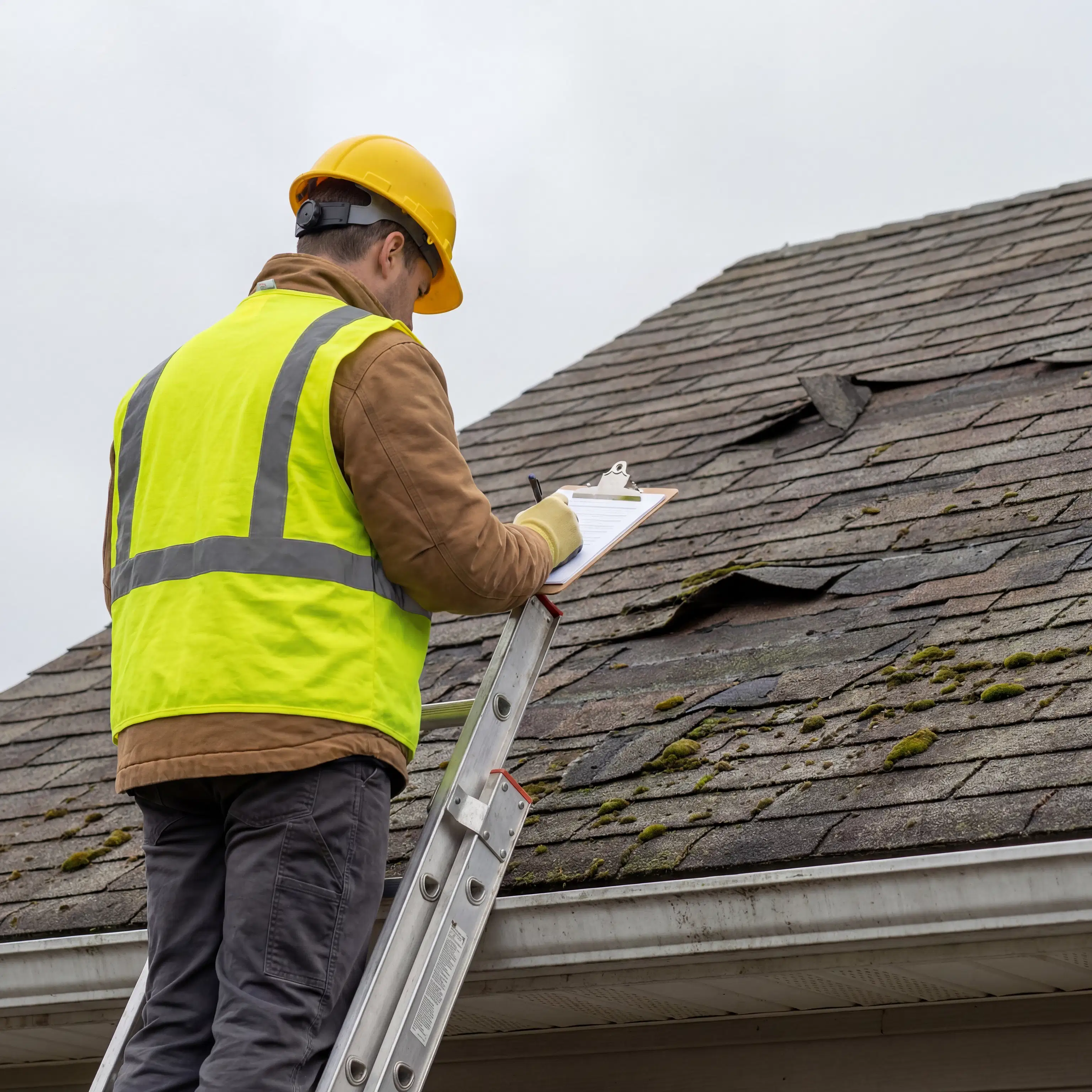
Spotting Early Warning Signs of Roof Leaks
Few things are more stressful for a homeowner than discovering water dripping from the ceiling during a heavy rainstorm. By the time water physically enters your living space, the damage to the structures hidden above has often been developing for quite some time. In the unpredictable weather of Chicagoland, where sudden spring downpours and intense winter freeze-thaw cycles test the limits of our homes, keeping a watchful eye on your home's exterior defense is incredibly important.\n\nUnderstanding how to spot the early warning signs of moisture intrusion can save you from dealing with extensive structural rot, mold growth, and damaged insulation. At Preferred Property Solutions, we believe that empowering homeowners with knowledge is the best way to protect your investment. By catching minor issues before they escalate into major emergencies, you can preserve the integrity of your property and avoid unexpected financial burdens. Let's explore the key indicators that tell you it is time to have a professional take a closer look at your roofing system.
Look Up: Causes of Water Stains on Your Ceiling\n\nOne of the most common and alarming indicators of a problem is the appearance of a discolored spot on your ceiling or upper walls. Homeowners often wonder about the causes of water stains on ceiling from roof leaks, hoping it might just be a plumbing issue or condensation. However, if the stain expands after a rainstorm or has a distinct yellow, brown, or copper-colored ring, it is almost certainly a sign that water is breaching your home's exterior shell.\n\nIt is important to understand that water rarely drips straight down. Moisture will follow the path of least resistance, traveling along rafters, roof trusses, and piping before finally pooling and soaking through your drywall. This means the visible stain in your bedroom might be originating from a completely different area of the house.
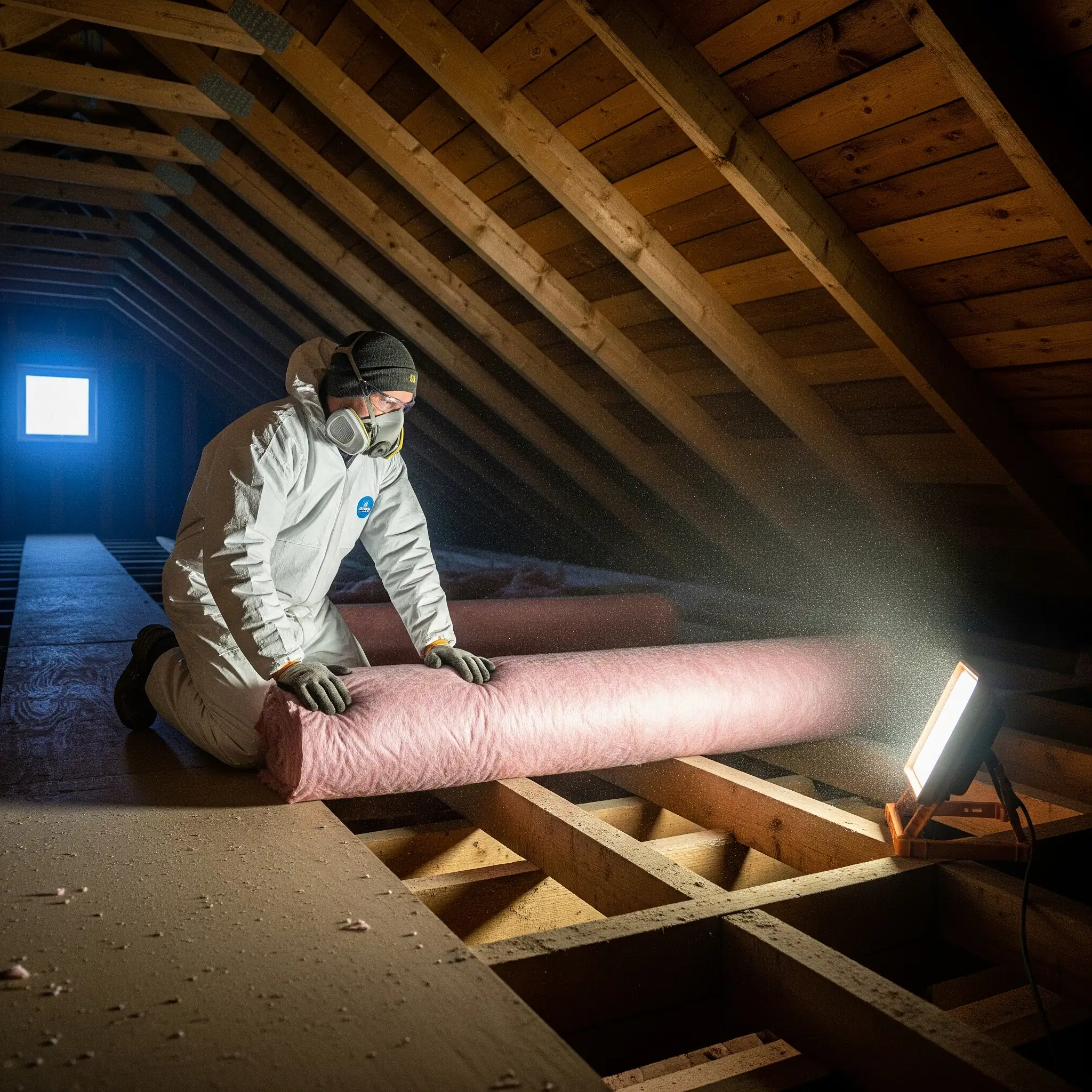
How to Find a Hidden Roof Leak in Your Attic\n\nIf you feel comfortable and safe doing so, taking a trip up to your attic during the day can be highly revealing. When figuring out how to find hidden roof leak in attic spaces, your flashlight and your nose are your best tools. Start by turning off the lights and looking for any unexpected daylight peeking through the boards. Even a pinhole of light can let in a significant amount of water during a driving storm.\n\nNext, use your flashlight to examine the wooden rafters and sheathing. Look for dark water streaks, black spots that indicate mold growth, or wood that appears warped and rotting. Check the insulation carefully; wet or matted fiberglass insulation is a clear giveaway that moisture is dripping from above. Catching these hidden signs early gives you a significant advantage in mitigating the damage.
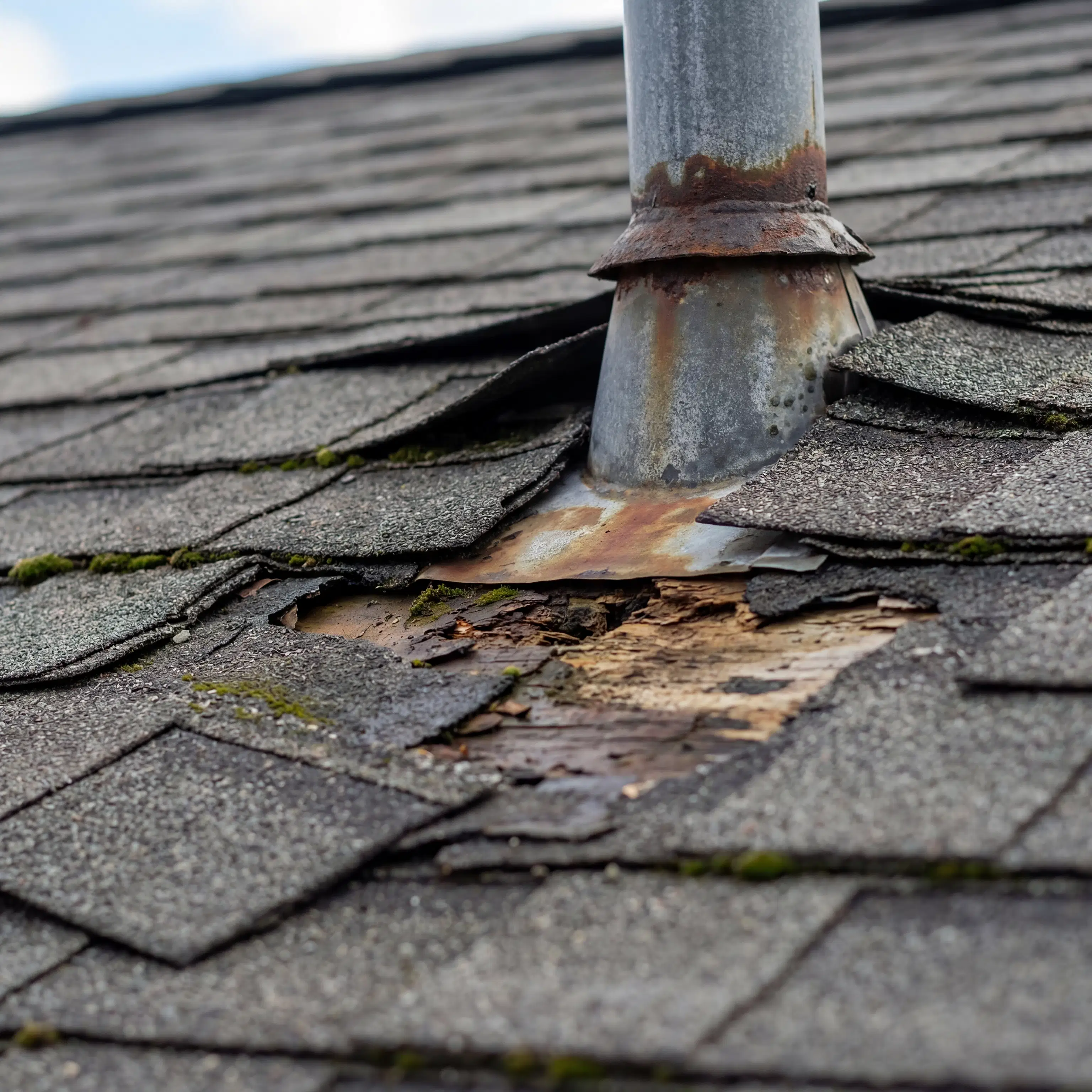
Exterior Clues and Flashing Failures\n\nWhile attic inspections are incredibly helpful, many issues can be spotted from the ground. Grab a pair of binoculars and scan your exterior safely from your yard. Pay close attention to areas where the shingles meet a vertical surface, like a chimney, dormer, or skylight. These intersections are protected by metal strips called flashing.\n\nUnderstanding the warning signs of roof flashing failure is crucial because these transitions are the most vulnerable points on your home. If you notice flashing that is bent, rusted, missing entirely, or if the caulking around it has dried out and cracked, water has an easy path directly into your walls. You should also be looking for missing, cracked, or curling shingles, especially after severe weather events like hail and high winds.\n\nSpeaking of severe weather, it is unfortunate but true that severe Midwest storms often bring predatory, out-of-state storm chasers to our neighborhoods. These companies often perform rushed work and disappear when warranty issues arise. Partnering with an established, local contractor ensures that your property is thoroughly inspected and repaired to code. Today, reputable contractors even utilize drone-assisted inspections, providing you and your insurance company with high-tech, undeniable proof of damage without ever having to step foot on the shingles unnecessarily.